Birth month flowers
Birth flowers by month
Every month has a flower (most have two) with its own meaning, color story and history. Most of them bloom right in their month.
The twelve birth month flowers
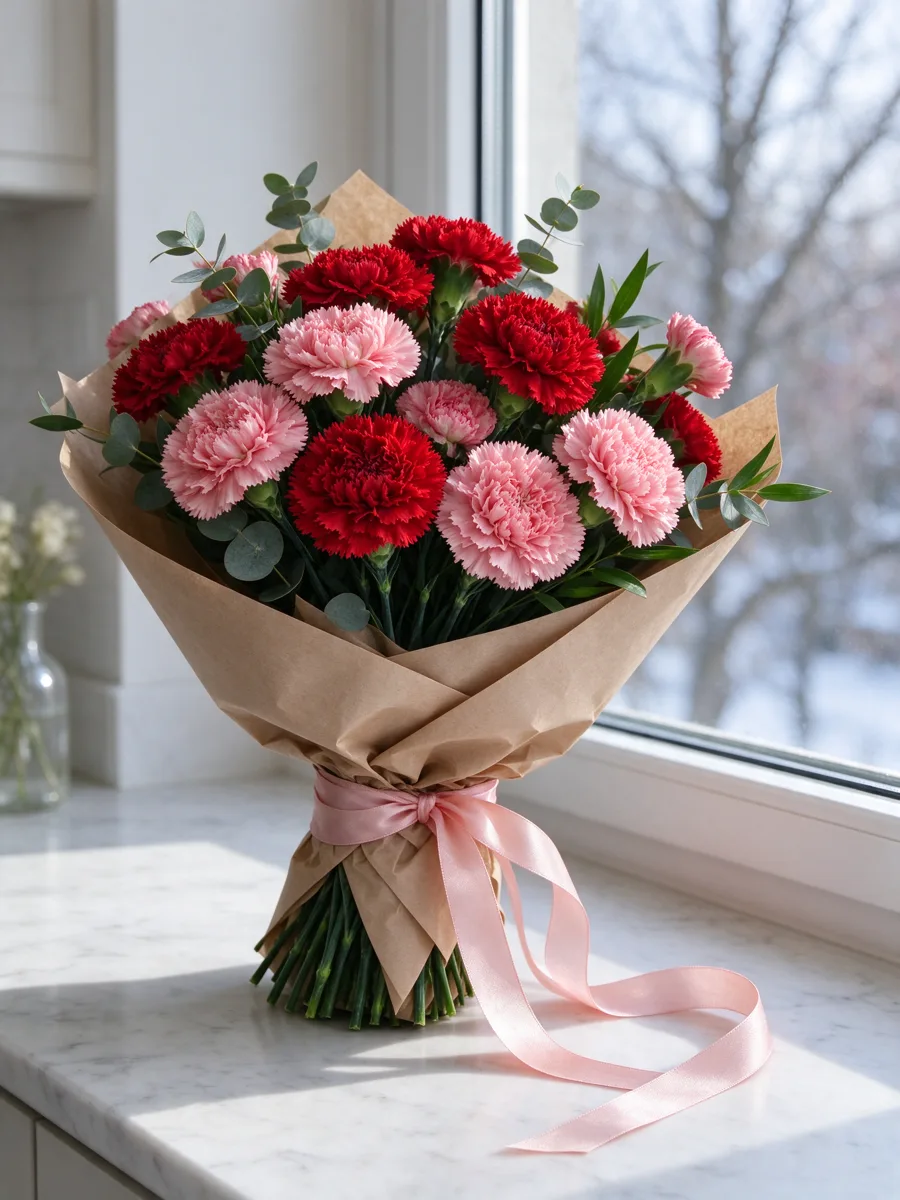
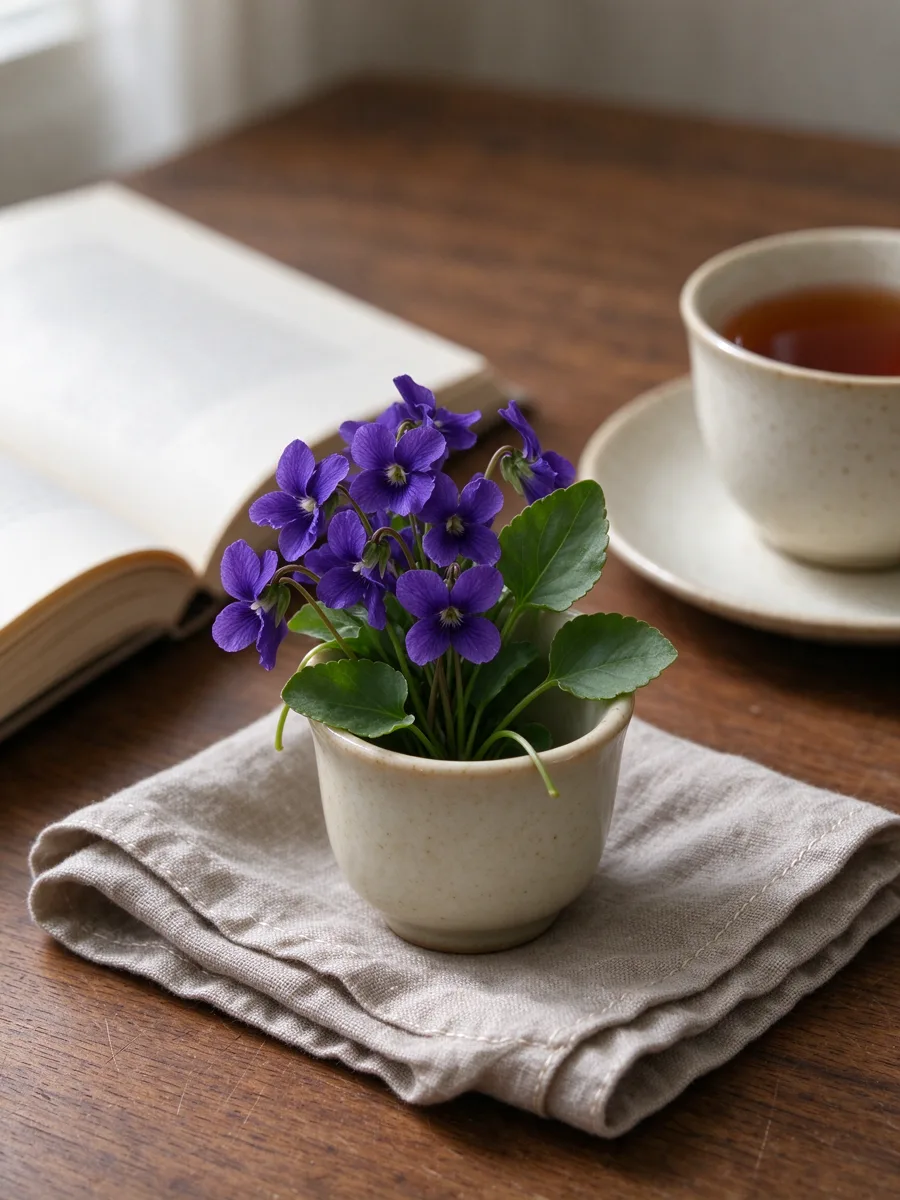
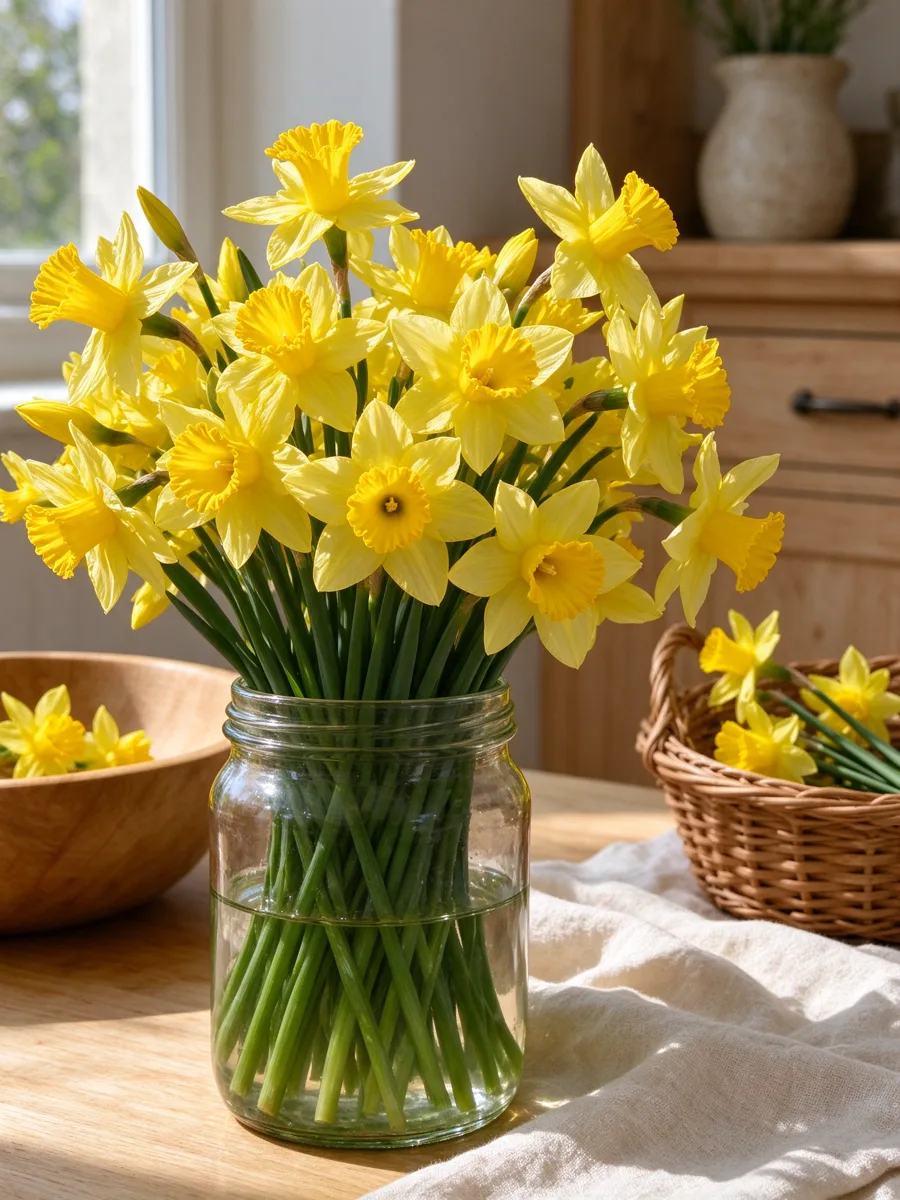
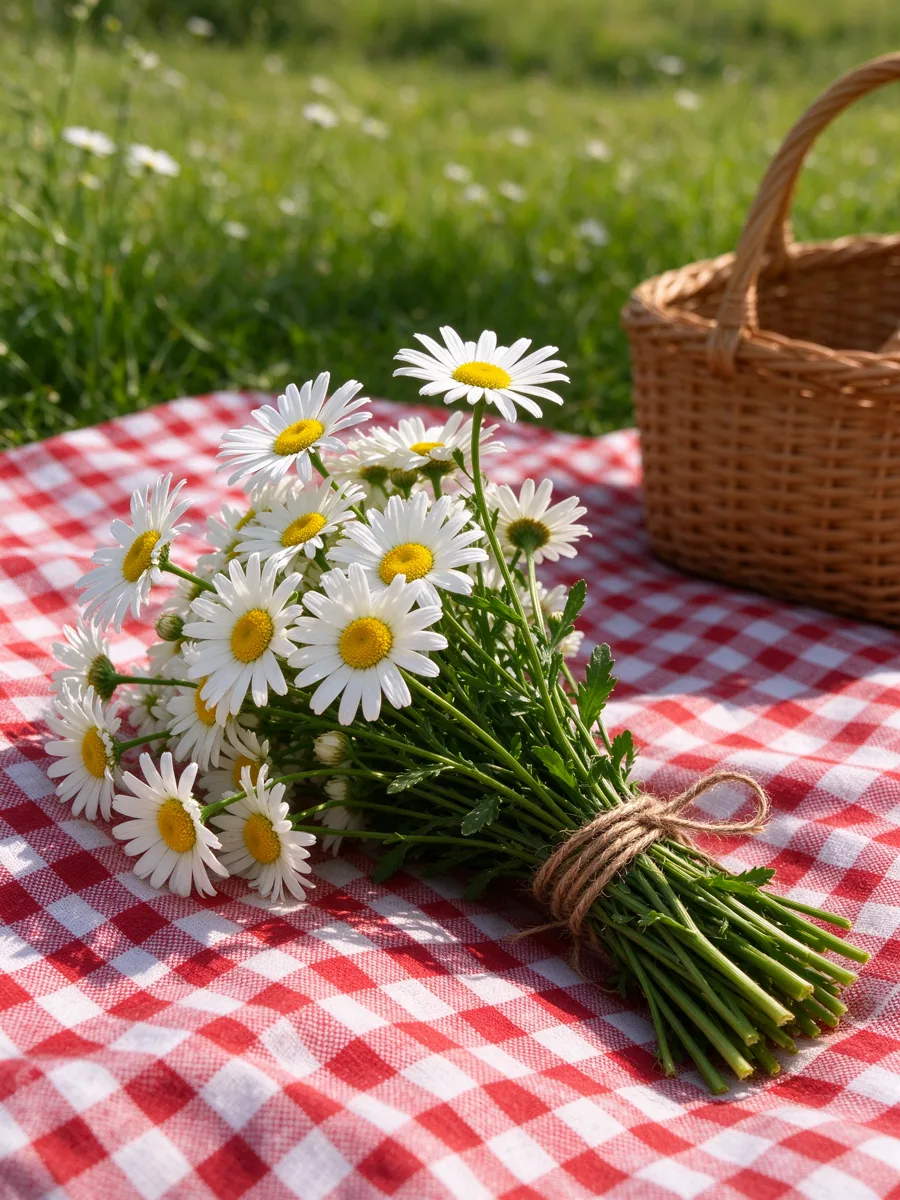


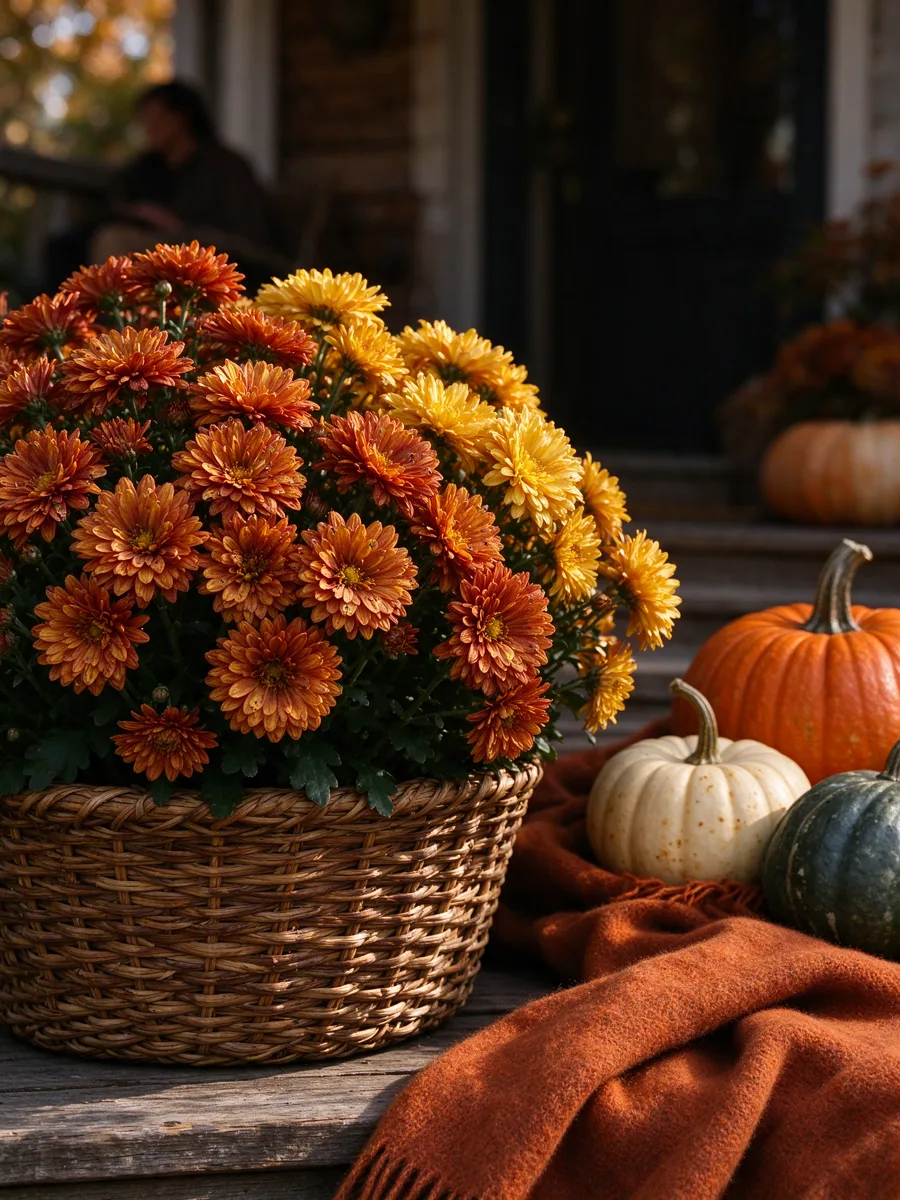
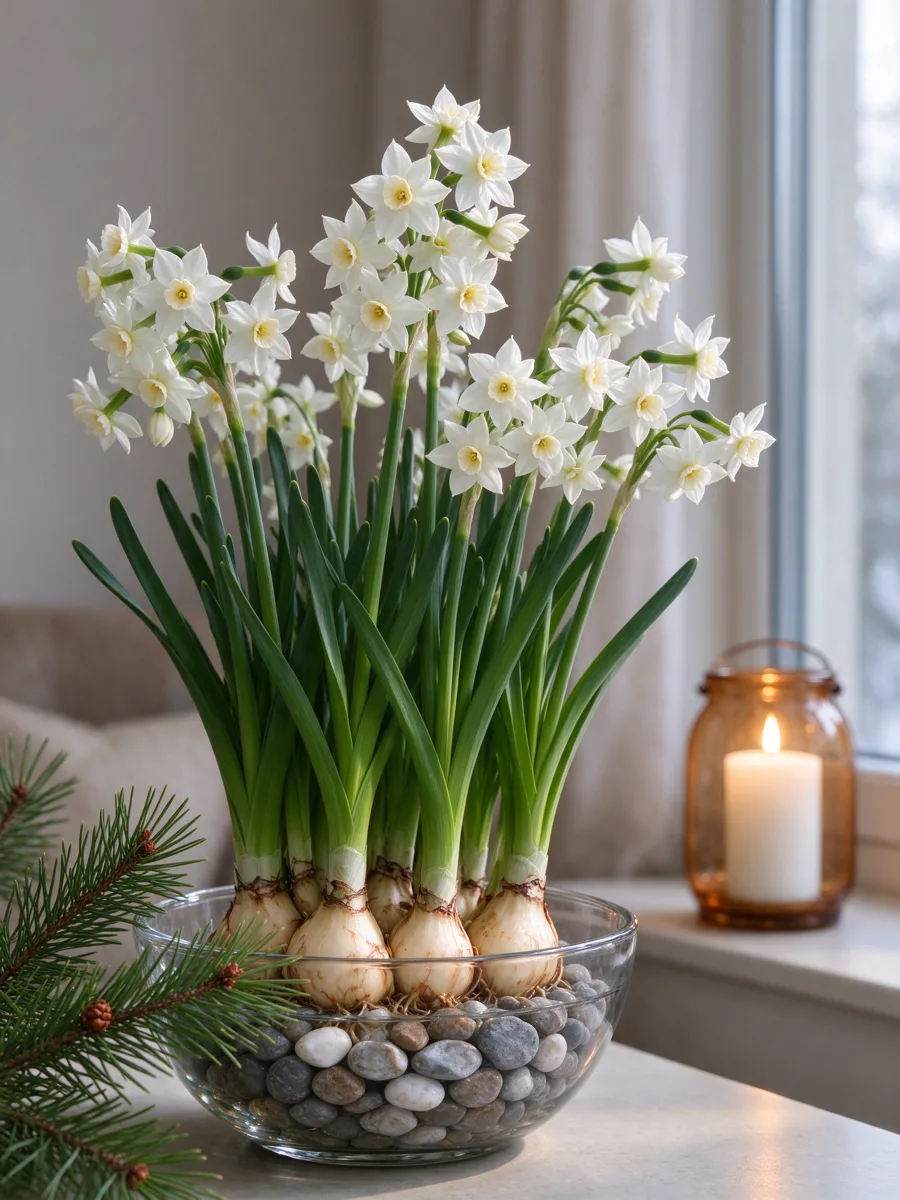
Birth flower meanings
Every flower on the chart has its own meaning page with color meanings, history and fun facts.
Where birth flowers come from
The idea goes back to Roman birthday customs, when people gave flowers that were in season. It grew in Victorian England, where "floriography," the language of flowers, gave each bloom a secret meaning. Most birth flowers are in season during their month, which is why January gets winter-hardy carnations and snowdrops while July gets summer larkspur and water lilies.
Today birth flowers are used for personal gifts, tattoos, wedding bouquets and jewelry. A family birth flower bouquet that combines each family member's flower is one of the most popular ways to wear them.
Questions, answered
What are the 12 birth flowers?
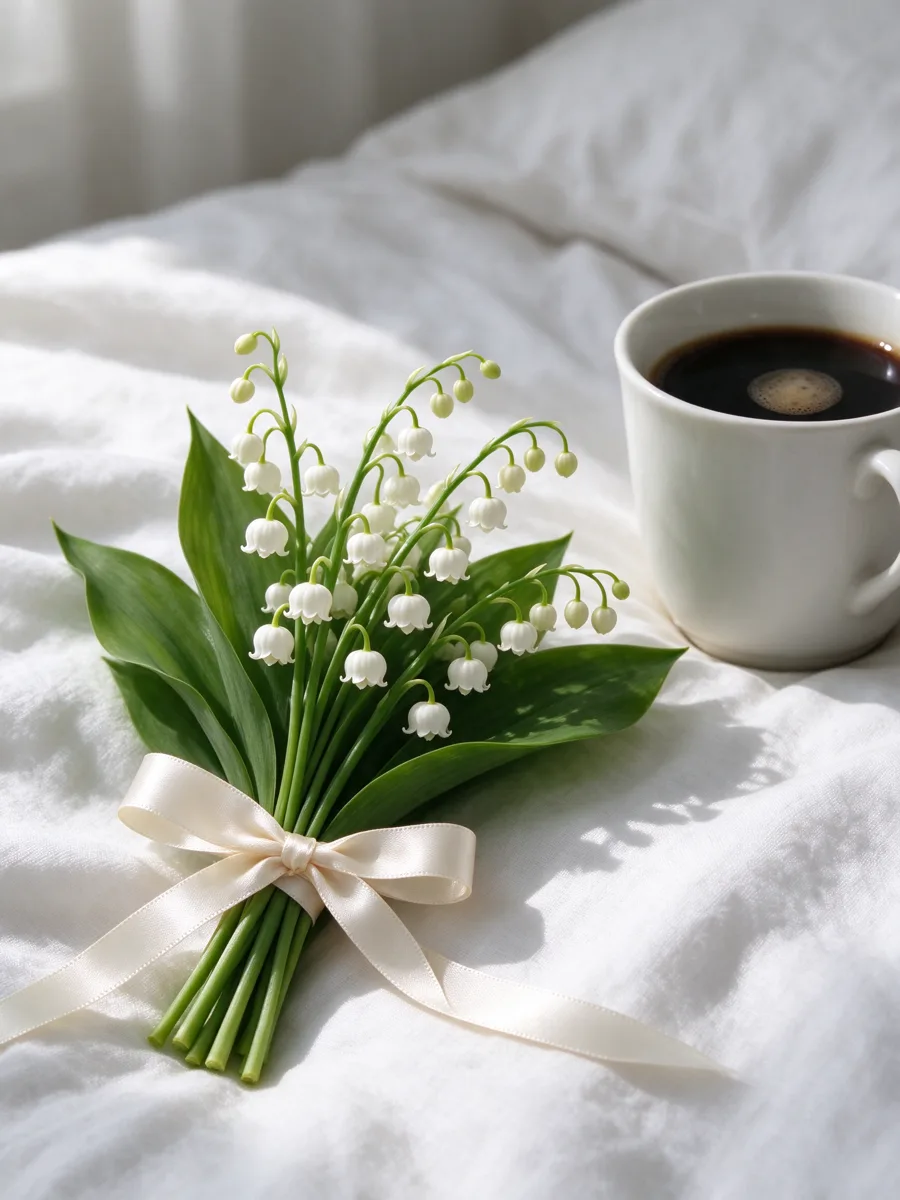
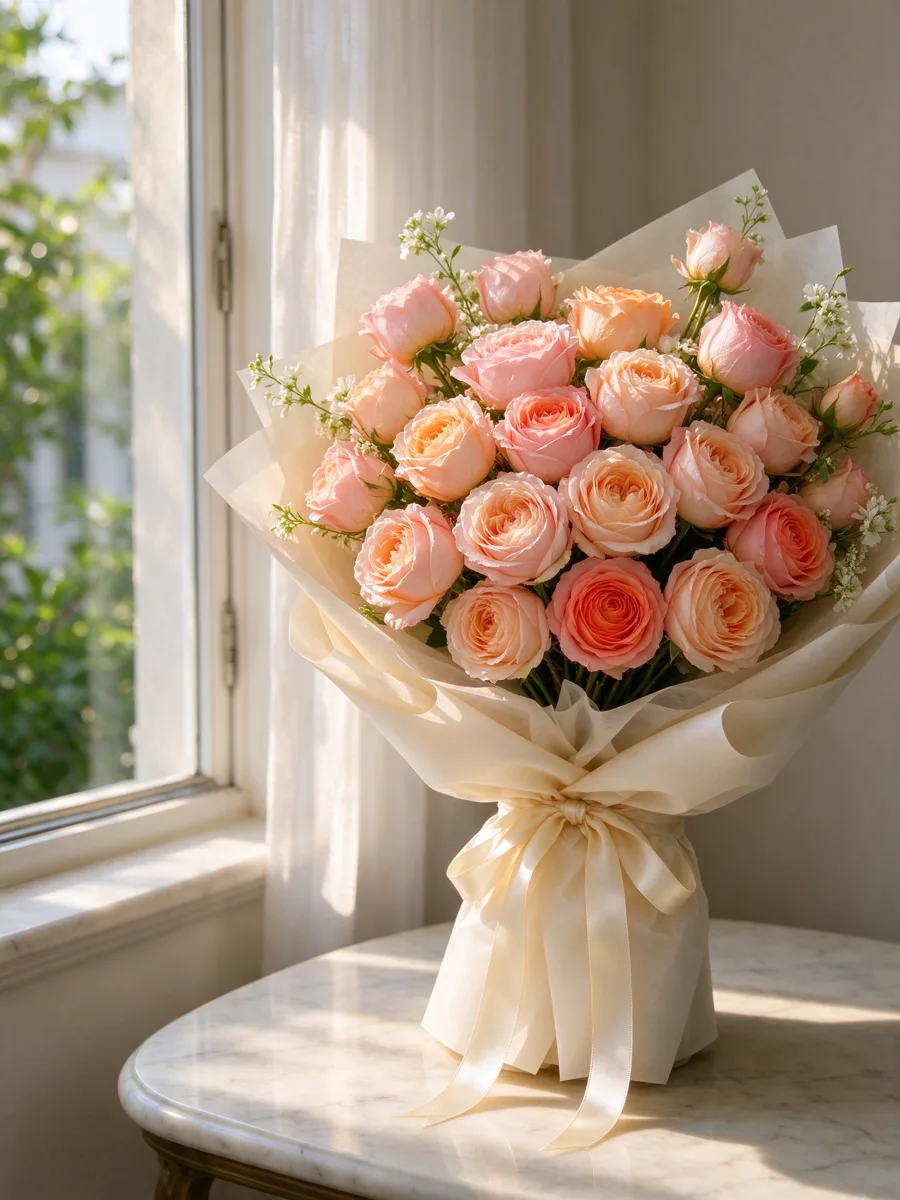
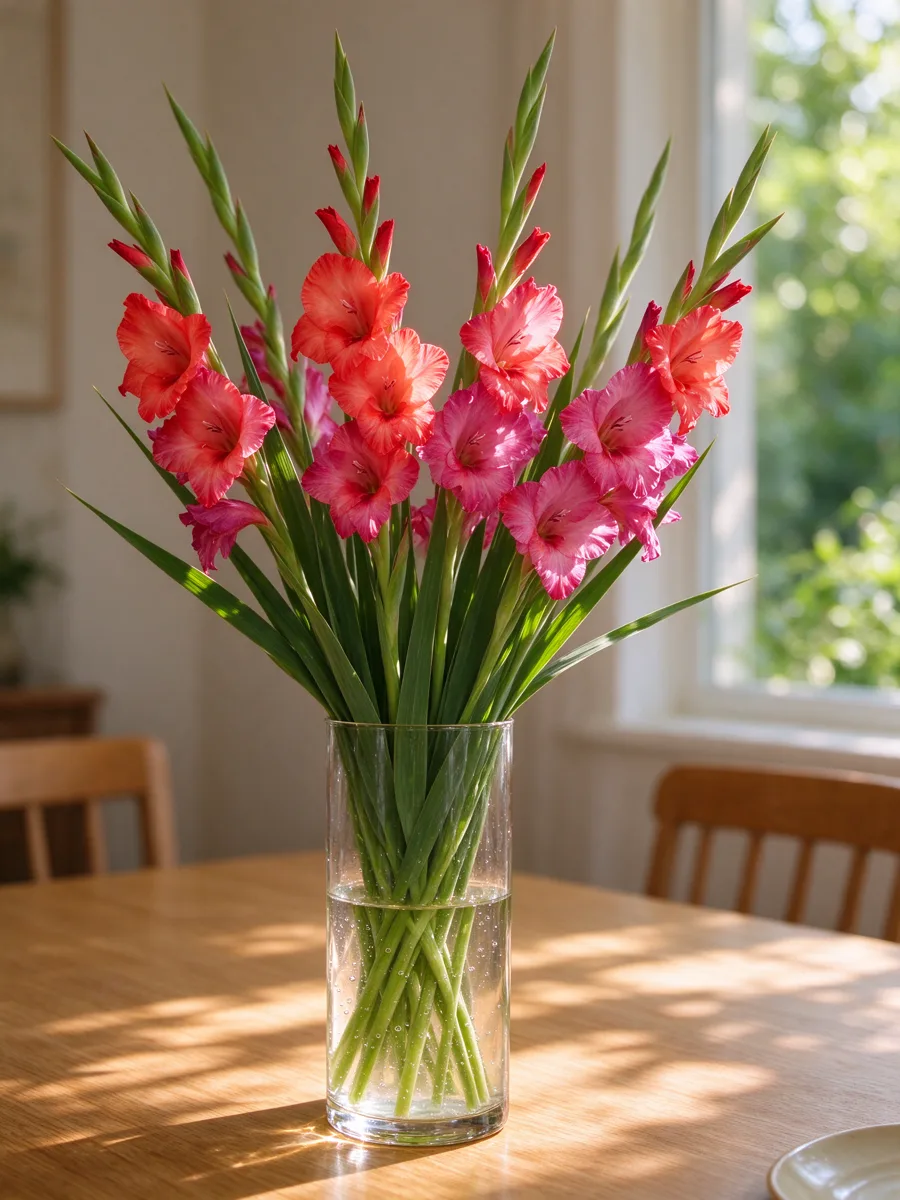
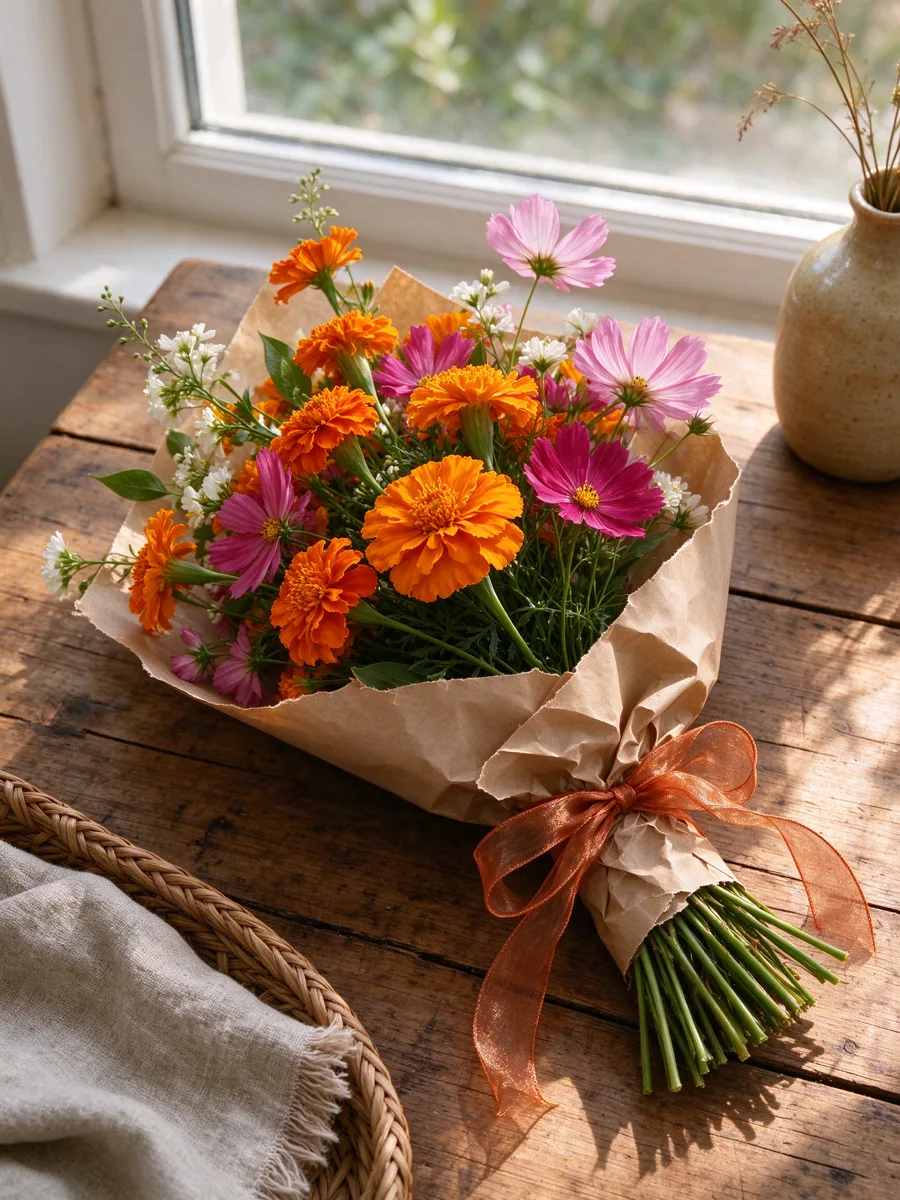
January: Carnation and Snowdrop; February: Violet and Primrose; March: Daffodil; April: Daisy and Sweet Pea; May: Lily of the Valley and Hawthorn; June: Rose and Honeysuckle; July: Larkspur and Water Lily; August: Gladiolus and Poppy; September: Aster and Morning Glory; October: Marigold and Cosmos; November: Chrysanthemum; December: Narcissus (Paperwhite) and Holly.
Why do some months have two birth flowers?
Different traditions (British, American, older Roman lists) assigned different seasonal flowers, so most charts now list two. The second flower is often the one that blooms in your region during that month.
Which birth flower is the rarest?
Lily of the valley (May) is often called the most precious because its season is so short and the flowers are expensive as cut stems. The snowdrop (January) is the earliest bloomer.
Your birth month, in your inbox
Get your flower & stone card
One pretty email a month: that month's flower and birthstone, plus a heads-up before family birthdays. No spam.